Optimal Seasons for Foundation Repairs
Foundation repairs are most effectively performed during specific seasonal periods when soil conditions are favorable. Understanding the optimal timing can help ensure the longevity and stability of repairs, minimizing potential issues caused by environmental factors.
Spring offers moderate temperatures and manageable soil moisture levels, making it a suitable time for foundation work. However, increased rainfall can sometimes cause delays.
Summertime provides longer daylight hours and warmer weather, which can facilitate quicker completion. Dry soil conditions reduce the risk of soil movement affecting repairs.
Fall can be ideal due to cooler temperatures and stable soil conditions. Preparing foundation repairs before winter helps prevent frost-related issues.
Winter is generally less suitable for foundation repairs due to frozen ground and harsh weather. Repairs during this time may be delayed or require specialized techniques.
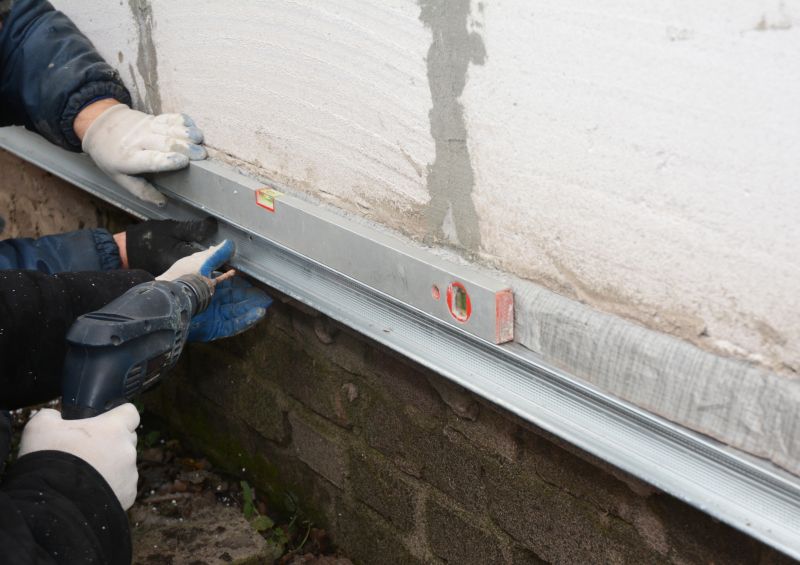
Springtime soil conditions are often ideal for foundation repairs, with moderate moisture levels supporting stable work environments.
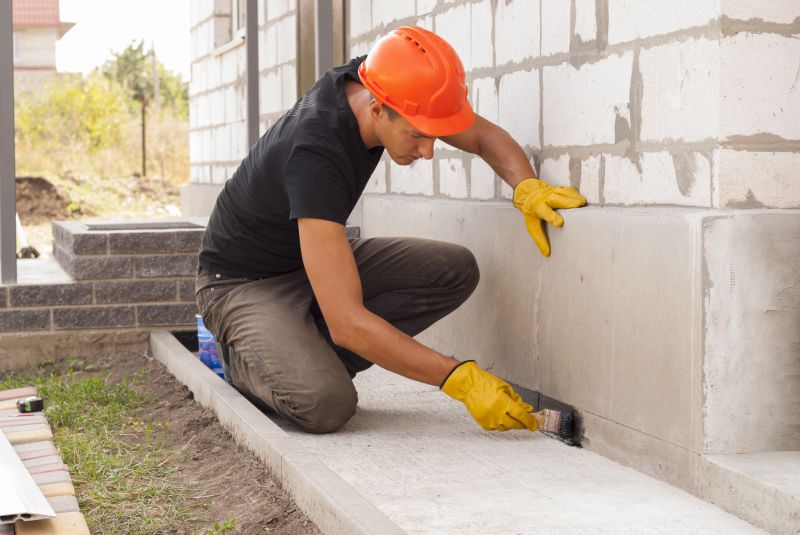
Warm and dry summer months allow for efficient foundation repairs with minimal soil movement.
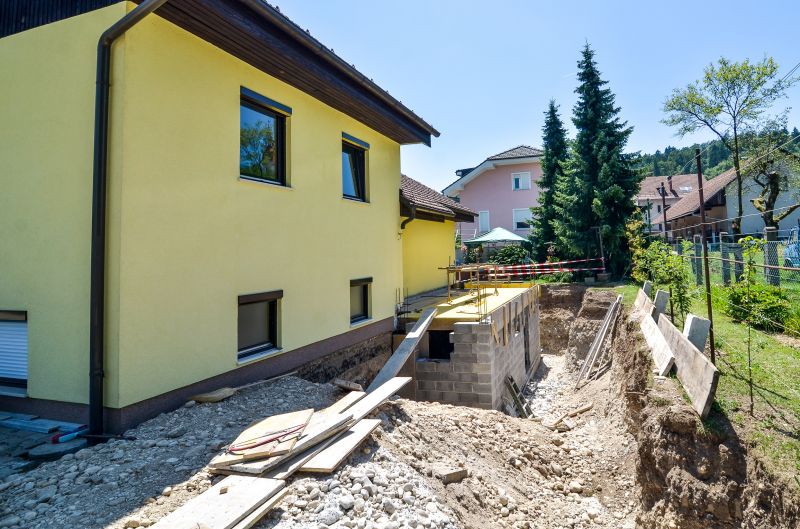
Preparing foundations in fall helps prevent winter frost damage and stabilizes the structure before colder months.
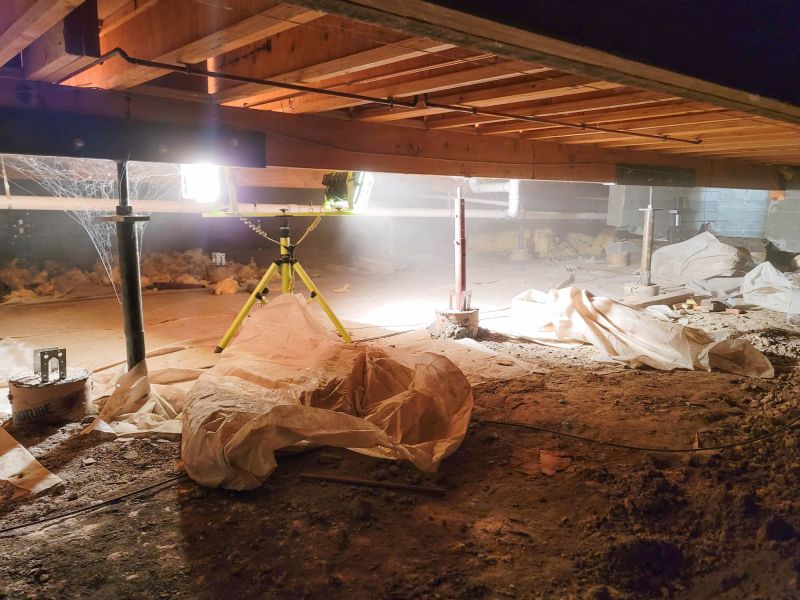
Ways to make Foundation Repairs work in tight or awkward layouts.
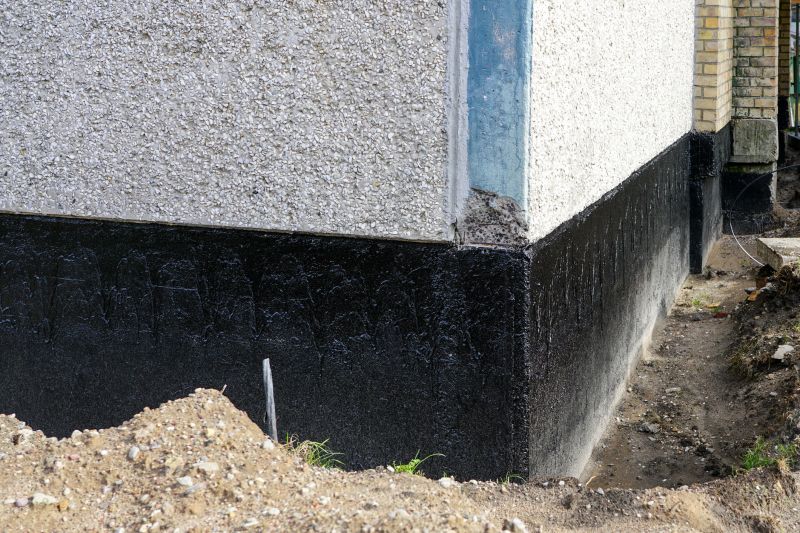
Popular materials for Foundation Repairs and why they hold up over time.
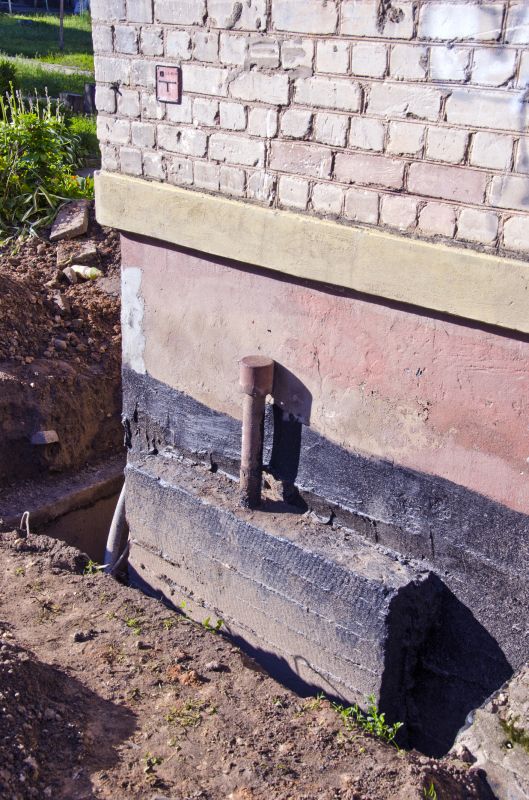
Simple add-ons that improve Foundation Repairs without blowing the budget.
| Season | Ideal Conditions |
|---|---|
| Spring | Moderate soil moisture, manageable temperatures |
| Summer | Dry soil, warm weather, longer daylight |
| Fall | Cooler temperatures, stable soil |
| Winter | Frozen ground, harsh weather |
Foundation repairs involve addressing issues such as shifting, cracking, or settling of the building’s base. Proper timing enhances the effectiveness of repairs by aligning with soil and weather conditions, reducing future movement. Soil type and moisture levels are critical factors influencing the best repair periods. For example, clay soils are more prone to expansion and contraction with moisture changes, making seasonal timing especially important.
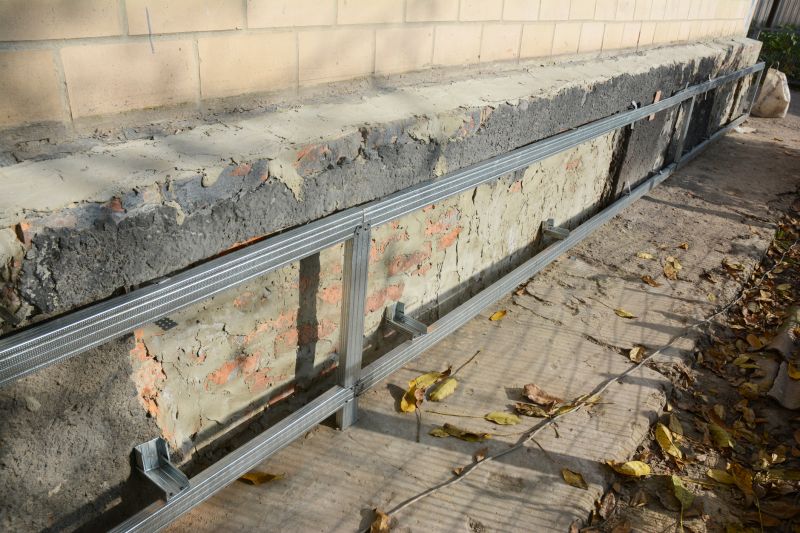
A typical process includes assessment, soil stabilization, underpinning, and reinforcement, tailored to seasonal conditions.
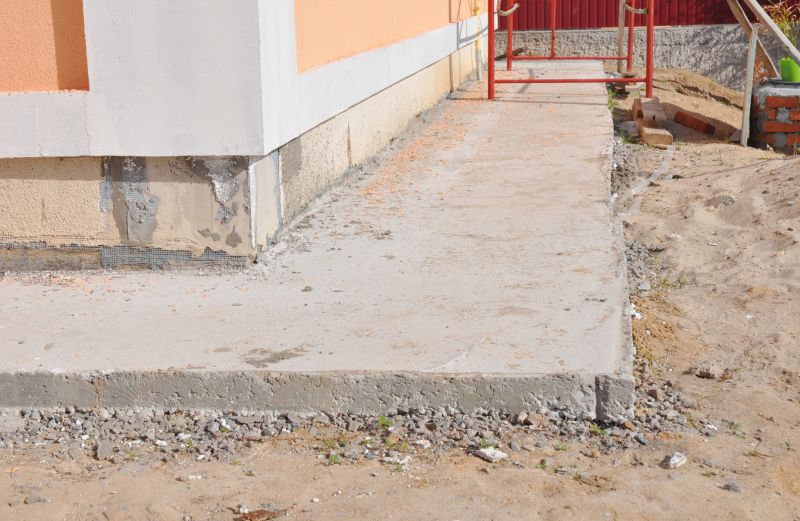
Visual evidence highlights the importance of timing and proper repair techniques for long-term stability.
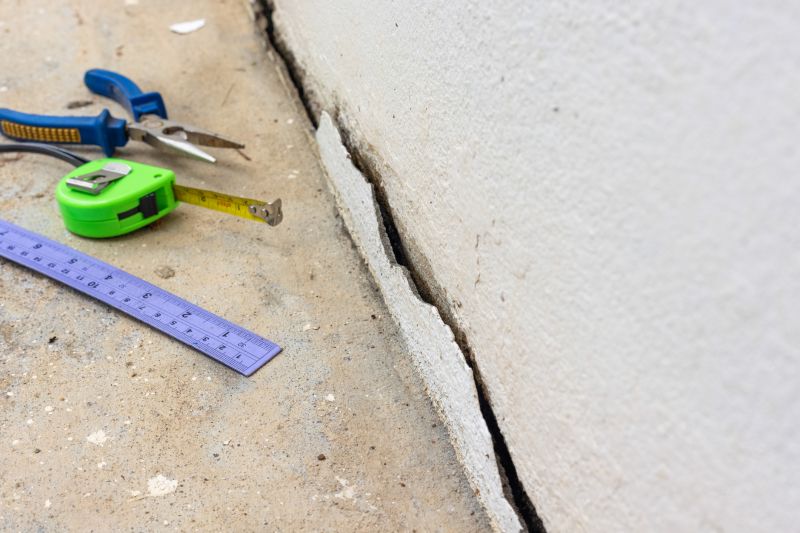
Specialized equipment and techniques are employed to ensure precise and durable repairs.
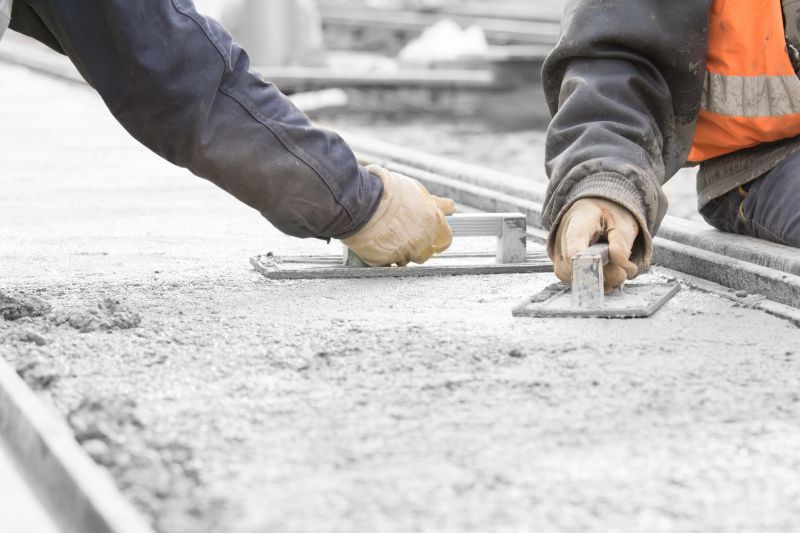
Methods like mudjacking or piering help restore foundation integrity, especially when timed correctly.
Understanding the optimal timing for foundation repairs can significantly impact the durability and success of the work. Consulting with foundation specialists can help determine the best period based on local soil and weather conditions. Proper planning ensures that repairs are performed when environmental factors are most favorable, reducing the risk of future issues.
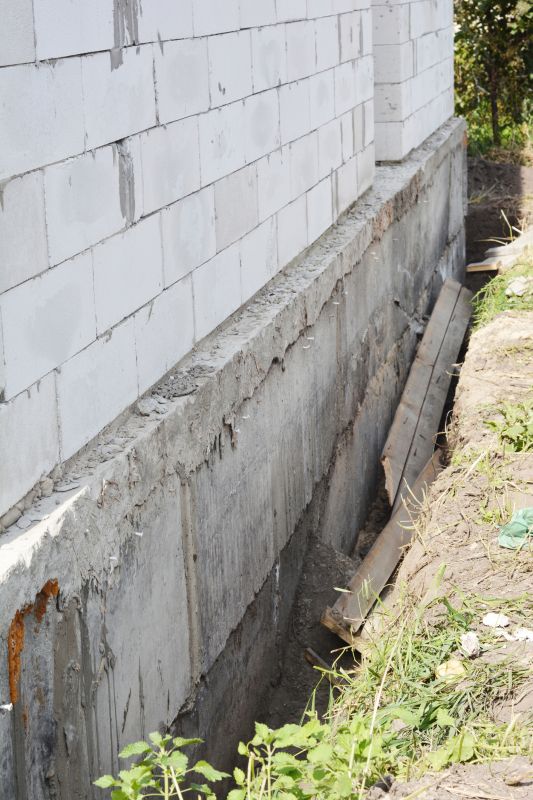
Scheduling repairs during favorable seasons ensures better soil stability and repair longevity.
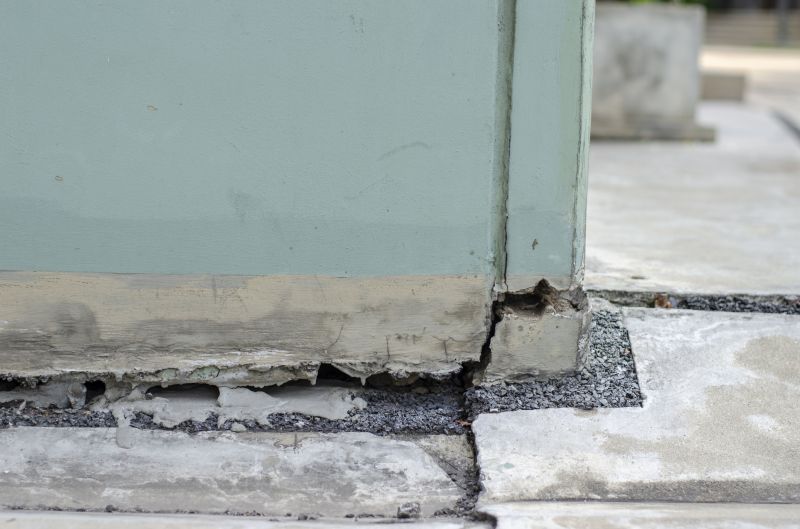
Soil expands and contracts with moisture levels, influencing repair timing.
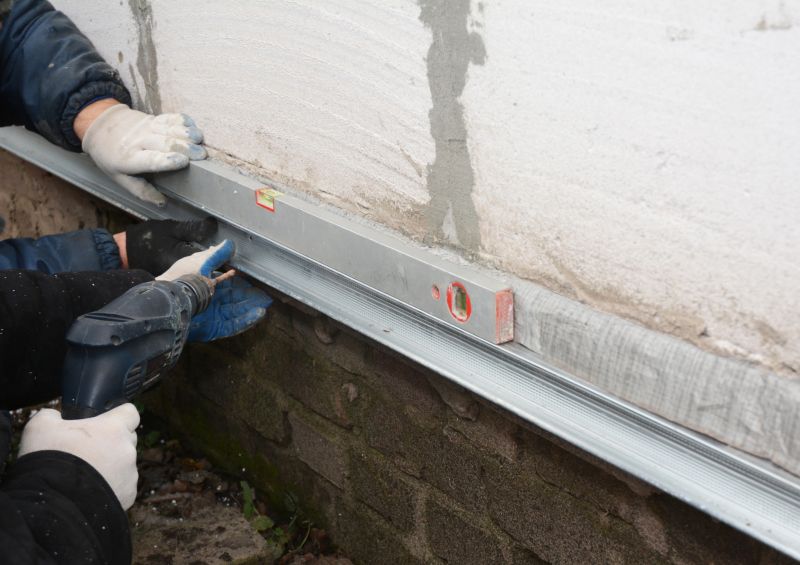
Methods adapted to seasonal conditions improve long-term results.

Expert evaluation helps identify the best window for repairs based on local conditions.
If foundation concerns are noticed, it is advisable to contact a foundation specialist to assess the situation and recommend the most appropriate timing for repairs. Proper scheduling can prevent further damage and costly future repairs, ensuring the stability and safety of the structure.